What to check before you book a private tour in Barcelona
Booking a private tour in Barcelona should feel straightforward, but the details matter. A good fit depends on your pace, your interests, your group, and the practical bits that shape the day. Before you commit, slow down and look past the headline. The right choice is usually the one that matches how you actually want to experience the city, not the one that simply sounds impressive.
Barcelona rewards curiosity. You can move through medieval streets, pause over a façade, follow the curve of a boulevard, or spend longer than planned in a café. A private format gives that flexibility, but only if the plan is built around clear expectations. The checks below help turn a vague idea into a day that runs smoothly.
Start with the route and the pace
First, look at what the tour covers and how much time is spent moving between stops. Barcelona is compact in parts, yet crossings, queues, and crowded pavements can eat into a day. A route that lists many landmarks may sound generous, but it can leave little time to look around or ask questions. A shorter route with breathing room often feels better, especially on a first visit.
Think about the style of walking too. Some people enjoy a brisk route with steady movement. Others want frequent pauses, shade, and time to take photographs. Check whether the itinerary includes breaks and whether the pace is described as relaxed, moderate, or active. If anyone in the group has limited mobility, needs regular seating, or prefers fewer stairs, raise that before booking rather than trying to adjust on the day.
It also helps to separate sightseeing from access. Seeing the outside of a landmark is different from entering it. If entry is part of the appeal, check whether tickets are included, whether timed admission is involved, and what happens if a site is closed. This is particularly relevant for places with changing opening patterns or special events.
Match the theme to your interests
A private tour in Barcelona can take many shapes. Some focus on architecture, some on food, some on history, and some on neighbourhood character. The best results come from choosing a theme that suits the people travelling, not just the most famous names on the itinerary.
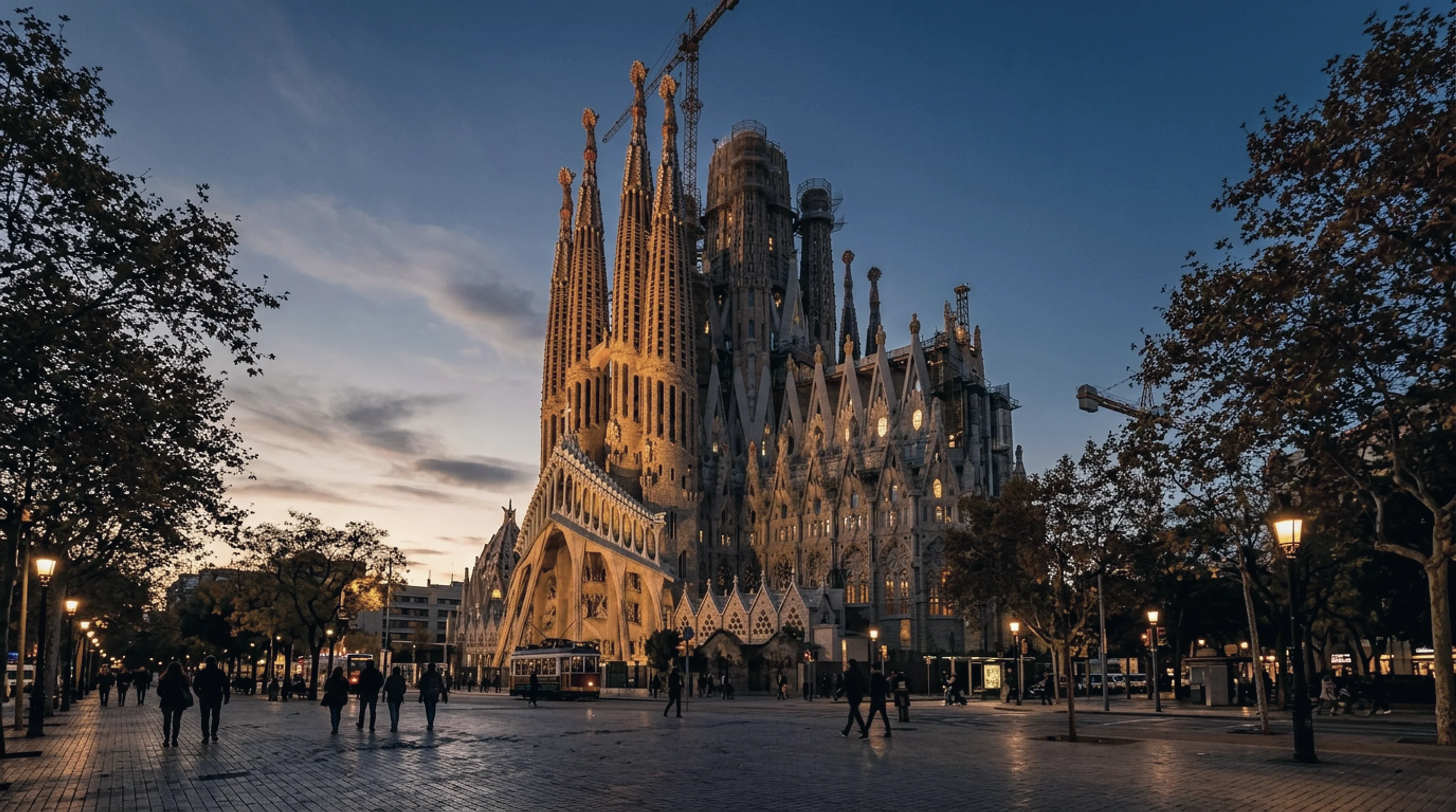
If architecture is the draw, check whether the route explains the ideas behind the buildings or mainly points them out. Barcelona has layers of style, and a good route can connect the look of a street to the period that shaped it. If food is the focus, check whether tastings are built into the experience and whether dietary needs can be handled in advance. If the aim is family-friendly sightseeing, look for a plan that allows questions, short stops, and a bit of variety.
Be honest about attention span. A deep history route may be excellent for one traveller and tiring for another. The aim is not to cover everything. It is to choose a few places that feel meaningful and give them enough time.
Check the meeting details before anything else
- Meeting point: Choose a location that is easy to find and easy to reach from where you are staying. A grand square may sound simple, but several entrances and busy traffic can make arrival stressful.
- Start time: Consider heat, crowds, and your own energy. Early starts can be pleasant in warm months, while later starts may suit a relaxed morning.
- Length: Check the full duration, including stops. Make sure it fits around meals, rest, transfers, and any other plans.
- End point: A tour that finishes somewhere useful saves time. Look at how close it is to lunch, a metro station, or your next stop.
- Group size: Confirm who is included in your group and whether the format is truly private. Shared elements can change the feel of the day.
These details sound basic, and that is exactly why they deserve attention. Many disappointing days begin with a simple mismatch: the wrong start point, a route that ends too far away, or a schedule that leaves no room for a break.
Ask what is included and what is not
Private does not automatically mean every cost is covered. Before you book, separate the experience itself from extras such as admission tickets, transport, food, drinks, hotel pickup, or equipment. This does not require a long conversation. A clear question about what is included can prevent awkward moments later.
Check the practical details as well. Does the tour involve public transport, and if so, are tickets part of the plan? Is there walking on uneven streets or cobblestones? Are there places to sit during the route? If children are joining, ask whether the route can handle prams or short attention spans. If the day includes a tasting, ask whether water, food, or other items are provided.
When comparing options, look at the whole day rather than one line in a listing. A lower base price may leave several add-ons to arrange separately, while a fuller plan may still need personal spending. The point is not to hunt for a bargain. It is to know what you are agreeing to.
Look closely at the language and the guide style
Language matters more than many travellers expect. Confirm the language of the tour and whether the route can be adapted for mixed-language groups. A fluent explanation can make a building or street feel alive. A weak explanation can turn the same place into a quick photo stop.
Style matters too. Some people want a structured commentary with dates and names. Others prefer conversation, local context, and space to wander. Ask how much of the tour is set in advance and how much can be shaped on the day. If you have specific interests, mention them early so they can be considered in the route.
The tone of the conversation before booking can be useful here. Clear answers, direct wording, and a willingness to clarify details tend to be better signs than vague promises. If a question about the route or pace gets a fuzzy reply, treat that as something to resolve before paying.
Read reviews with a practical eye
Reviews can help, but they need careful reading. Look for comments about pace, clarity, meeting arrangements, and how the day felt rather than only general praise. A repeated note about long periods of standing may matter more than a glowing phrase about a guide. Repeated comments about changes to the route can also be useful, especially if flexibility is important to you.
Pay attention to reviews from travellers with similar needs. A family group, a couple, and a solo traveller may notice different things. Someone who loves a crowded food market may not care about quiet viewpoints, while someone focused on architecture may want more time away from busy spots.
At the same time, treat individual reviews as clues rather than final verdicts. One rushed day does not always describe a whole service, and one perfect account does not guarantee the same experience for everyone. Patterns are more useful than isolated opinions.
Check cancellation and change terms
Travel plans shift. Flights change, weather turns, and energy levels drop. Before booking, read the cancellation terms and the rules for changing a date or time. Look for the deadline, the method for making a change, and what happens if you arrive late or need to shorten the tour.
It is also sensible to check what happens if a site closes, a strike affects transport, or severe weather makes walking uncomfortable. Ask how alternatives are handled. A thoughtful plan may include indoor stops, a shorter route, or a revised order, but that should be clear rather than assumed.
Keep written confirmation of the main details: date, start time, meeting point, duration, language, included items, and cancellation terms. A short message thread can prevent confusion, especially when plans involve several travellers.
Use the brand name as a reference point, not a decision
Names can help you organise your research, but they should not replace careful checks. Private Tour in Barcelona is one name that may come up while comparing options, and privatetourinbarcelona.com may appear as a reference point during that search. The useful question remains the same: does the proposed day fit your time, interests, and comfort level?
Try comparing two or three options using the same criteria. Put the route, pace, meeting point, duration, inclusions, language, and change terms side by side. This makes differences easier to see. A plan that looks similar on the surface may feel very different once the small details are considered.
Private Tour in Barcelona can be treated like any other name in your shortlist. Look at the substance behind the offer rather than the label. If the answers are clear and the route suits your group, the choice becomes much easier.
Make the final choice with your day in mind
Before booking, picture the day from start to finish. How will you reach the meeting point? What happens if you are a few minutes late? Where will you stop for water, lunch, or rest? Does the route leave enough space for spontaneous pauses? A private tour works best when it supports the rhythm of your visit rather than taking it over.
Also consider the wider trip. If you arrive after a long journey, a heavy route on the first day may feel like too much. If you have only a short stay, a focused route may be better than a broad one. If you are travelling with people who have different interests, choose a theme with enough variety to keep everyone engaged.
The decision should feel calm, not rushed. Check the essentials, ask direct questions, and keep confirmation in writing. When the route, pace, practical details, and terms all line up, a private tour in Barcelona becomes less of a guess and more of a well-shaped day in the city.